Selling Regional and Local Products Online: A Playbook for Small Producers

India’s regional producers, from Coimbatore’s handloom weavers to Kerala’s spice growers to Rajasthan’s block print artisans, sit on genuinely differentiated products that mass market platforms rarely showcase well. The challenge for a small producer has never really been demand, buyers actively look for authentic regional goods, it has been visibility and trust at a distance. Selling a product online to someone who cannot see, touch, or smell it before buying requires a different kind of storytelling and a different kind of store setup than a generic product listing. This playbook focuses specifically on what small regional producers need to get right to sell successfully online, without wandering into general ecommerce advice that does not address the specific trust and discovery problem regional and local products face.
Why Regional Products Sell Differently Online
A buyer searching for a mass produced item compares price and delivery speed. A buyer searching for Kanjeevaram silk, Alleppey coir products, or Nilgiri tea is usually looking for authenticity, origin, and craft, and is willing to pay a premium for proof of that origin. This changes what your product page needs to do. Instead of leading with price, a regional product listing needs to lead with provenance, where it is made, who makes it, and what makes this version different from a mass produced substitute sold at a lower price on a marketplace. Sellers who treat a regional product page like a generic listing, a photo, a price, and a buy button, consistently underperform sellers who treat the page as a small piece of storytelling, because the entire value proposition of a regional product is the story a generic product does not have.
Building Trust Without a Physical Store
Trust is the single biggest barrier for a small producer selling directly online for the first time. Government backed initiatives like the ODOP programme have done real work building buyer awareness of regional products, but that awareness does not automatically transfer trust to an individual seller’s own store. Concrete trust signals matter more here than generic ones, photos and short videos of the actual production process, a clear return policy specific to handmade or perishable goods, and visible proof such as GI tag certification where the product qualifies for one. A seller who shows the loom, the kitchen, or the farm, rather than only the finished product, closes the trust gap faster than one relying on stock photography or polished but generic product shots that could belong to any seller.
| Signal | Why It Works |
| Production process photos or video | Proves authenticity buyers cannot verify remotely |
| GI tag or certification badge | Confirms regional origin claims |
| Clear handmade return policy | Sets honest expectations for variation |
Set Up Your Store
Pricing Regional and Handmade Products Correctly
Underpricing is the most common mistake small producers make when they move online, usually because they benchmark against mass produced alternatives rather than against the actual cost and time of handmade or small batch production. A handwoven textile or a small batch spice blend carries labour and material costs that a factory equivalent does not, and pricing it to compete with the factory version on price alone erodes margin and, over time, undervalues the craft itself to buyers who would have paid more for the authenticity if it had been priced and presented as a premium product from the start. A clearer approach separates cost of materials, labour time at a fair rate, and a margin that accounts for platform, packaging, and shipping costs specific to fragile or perishable regional goods, rather than working backward from what a generic marketplace listing charges for something visually similar.
Packaging and Shipping for Perishable or Fragile Regional Goods
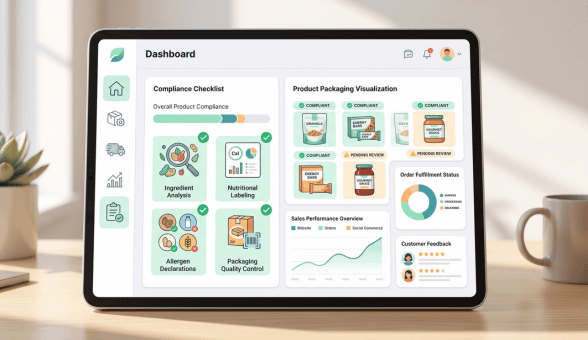
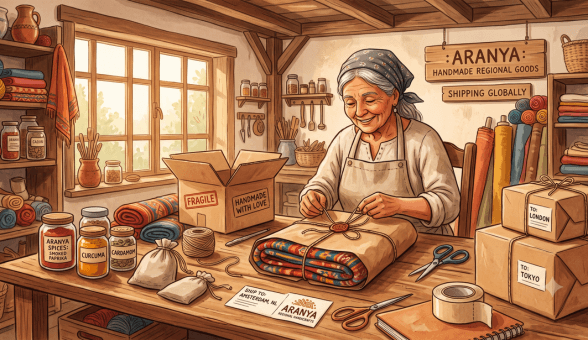
Regional products often travel further than typical ecommerce goods and are more likely to be fragile, perishable, or seasonal, which changes packaging requirements significantly. Spices and food products need moisture proof, tamper evident packaging that survives transit heat, especially for orders moving across states during summer months. Textiles and handicrafts need protection against creasing or breakage that standard courier packaging does not always provide by default. Sellers who invest in slightly better packaging upfront see meaningfully fewer damage related returns, which matters more for regional producers than for typical sellers because a damaged handmade item usually cannot simply be replaced from stock the way a mass produced one can, and the cost of remaking it is far higher than the cost of packaging it properly the first time.
| Product Type | Key Packaging Need |
| Spices and food items | Moisture proof, tamper evident seals |
| Textiles and handlooms | Anti crease, breathable wrapping |
| Handicrafts and pottery | Cushioned, breakage resistant boxing |
Telling the Origin Story Without Overselling It
There is a difference between authentic storytelling and marketing exaggeration, and regional buyers, who are often more informed about the product category than average online shoppers, notice the difference quickly. Naming the actual district, village, or artisan group behind a product, where the seller has permission to do so, carries more weight than vague phrases like traditional or authentic used without specifics. A short, honest note on the product page, who makes this, how long they have been making it, what makes this particular version distinct, does more for conversion than an extended marketing narrative that reads like it was written for a product the seller has never actually visited or sourced directly.
Choosing Photography That Sells Without a Studio
Most small producers do not have access to a professional product studio, and that is a smaller problem than it seems, since regional buyers respond better to honest, natural light photography than to overly polished studio shots that can feel disconnected from the product’s actual origin story. Photographing a textile in natural daylight against a simple background, or a food product alongside the raw ingredients it is made from, communicates authenticity more effectively than a stock white background shot that could belong to any seller. What matters more than equipment is consistency and clarity, sharp focus, accurate colour representation so buyers are not surprised by the actual product on arrival, and at least one photo showing scale or context so buyers can judge size accurately before ordering.
Reaching Buyers Who Actively Search for Regional Products
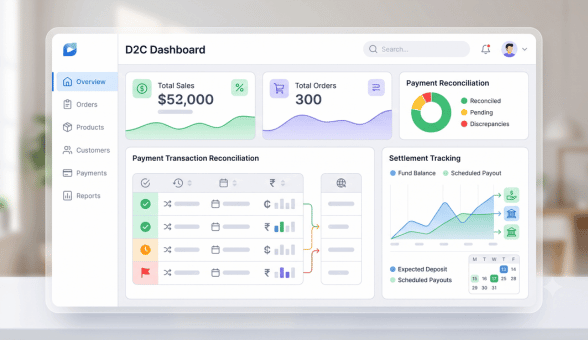
Buyers looking for regional and local products often search with the region or craft name directly, Coimbatore cotton saree, Wayanad coffee, Bikaner bhujia, rather than a generic category term, which means keyword strategy for these listings should reflect actual regional search language rather than broad ecommerce terms. Sellers who list under generic categories alone miss this traffic entirely. Combining a well optimised store presence with a demo of Boomimart’s storefront tools makes it easier for small producers to set this up correctly from the start, since the platform’s category and tagging structure can reflect region and craft type rather than forcing every regional product into a generic catalogue taxonomy built for mass market goods. Sellers weighing whether a dedicated D2C storefront makes more sense than a marketplace listing alone usually find that owning the story on their own page converts better once buyer trust is established.
Planning Around Seasonal Demand
Many regional products carry a natural seasonal rhythm that generic ecommerce goods do not, mangoes and Alphonso pulp sell in a tight summer window, festive sweets and snacks spike around Diwali and Pongal, and certain textiles see demand jump around wedding season in specific regions. Selling online does not remove this seasonality, it just means a producer needs to plan inventory, packaging supplies, and shipping capacity around it rather than being caught short when a regional festival drives a sudden spike in orders from buyers outside the immediate region who would never have found the product without an online store. Building a simple calendar of the two or three seasonal peaks relevant to a specific product category, and preparing stock and packaging ahead of each one, prevents the common failure mode where a producer gets a surge of online orders during exactly the window they cannot fulfil quickly enough, which damages the same trust that took months to build.
Selling regional and local products online works when the store presentation matches what makes the product genuinely different, origin, craft, and story, rather than trying to compete on the same terms as mass produced goods. Small producers who lean into that difference, price for it honestly, package for the realities of their specific product, and tell an accurate rather than exaggerated origin story tend to build the kind of loyal, repeat buyer base that regional products are naturally suited for, precisely because buyers who value authenticity keep coming back to sellers who deliver it consistently rather than shopping around for the lowest price next time.