Understanding Return Fraud and How to Protect Your Online Store

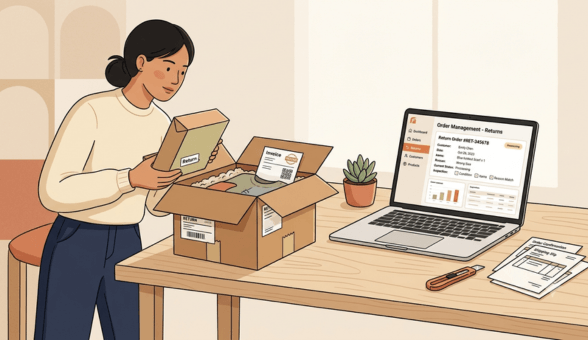
Every online store deals with returns, that part is normal and expected. What quietly eats into margins is the share of those returns that are not genuine, a customer wearing an outfit once and sending it back, a box that mysteriously arrives empty, or an account that returns far more than it keeps. Return fraud rarely shows up as one dramatic incident, it shows up as a slow leak that only becomes visible when you look at the numbers over a few months.
This guide covers the return fraud patterns that show up most often for D2C sellers, how to write a policy that discourages abuse without punishing honest customers, and a set of practical checks you can put in place without needing a large operations team.
Why Return Fraud Quietly Eats Into Margins
Return fraud is different from payment fraud in one important way, the customer is usually real and the transaction is usually legitimate on the surface. It hides inside normal looking behaviour, which is exactly why it is easy to miss until it becomes a pattern. A detailed breakdown from Shopify points out that fraud losses on returns disproportionately hit categories like apparel, accessories, and anything easy to use once before sending back, which covers a large share of what D2C brands on Boomimart typically sell.
The Most Common Return Fraud Patterns
| Fraud Type | What It Looks Like | How To Catch It |
|---|---|---|
| Wardrobing | Item worn once for an event, returned as new | Inspect for wear, odor, or removed then reattached tags |
| Empty box claims | Customer says the parcel arrived empty | Weigh outbound parcels and compare to return scan weight |
| Serial returning | Same account returns a high share of every order | Track keep rate per customer over rolling 90 days |
| Switch fraud | A different or used item sent back in place of yours | Photograph items before dispatch to compare on return |
Writing A Return Policy That Deters Fraud Without Annoying Real Customers
The instinct after noticing fraud is often to tighten the policy across the board, but a return window that is too short or too strict punishes the vast majority of customers who are simply not satisfied with a product. A better approach is a tiered policy, keep a reasonable standard window for most categories, and apply shorter windows or stricter tag and condition requirements only on categories that see the most abuse, typically apparel and accessories.
Defaulting worn or tag removed items to store credit instead of a cash refund removes most of the financial incentive behind wardrobing, since the customer no longer gets money back for an item they already used. This single change tends to cut down on the most common fraud pattern without adding friction for customers making a genuine size or fit related return.
Practical Checks You Can Put In Place Today
| Check | What To Do |
|---|---|
| Weight verification | Compare outbound parcel weight against inbound return scan |
| Condition photos | Photograph items before dispatch for high value or high return SKUs |
| Keep rate tracking | Flag accounts keeping less than a set percentage of what they order |
| Return window tiering | Shorter windows and stricter checks on wardrobing prone categories |
When To Escalate vs When To Let It Go
Not every suspicious return is worth a fight. A single strange return from an otherwise normal customer is usually not worth flagging, the cost of a bad customer experience from a wrongful accusation often outweighs the loss on one item. The pattern that is actually worth acting on is repetition, an account with a consistently low keep rate, or multiple flagged returns within a short window. That is where a manual review step or a temporary hold on future orders makes sense, rather than trying to catch every isolated case.
Getting return fraud under control is less about writing a stricter policy and more about building a few consistent checks into your existing return workflow. Most SMB sellers do not need enterprise fraud tooling to see a meaningful drop, a tiered policy, photo checks on flagged items, and basic keep rate tracking cover the majority of cases seen on D2C stores. If you are setting this up on your Boomimart store, our team can walk you through the workflow during a demo, or you can see how this fits into different pricing tiers based on your order volume.