Handling International Orders: Shipping, Duties, and Currency Basics

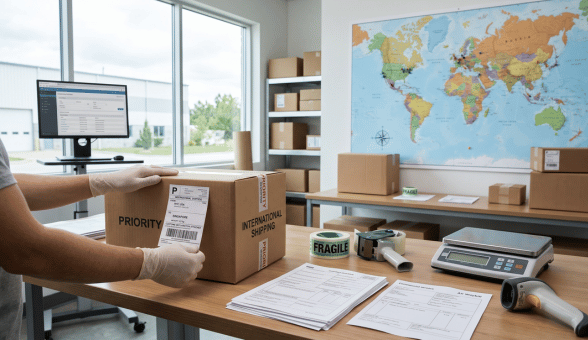
Expanding a D2C store to accept international orders sounds like a straightforward growth lever, more customers, more revenue, until the operational reality of customs duties, currency conversion, and international shipping logistics becomes clear. None of this is prohibitively complicated, but it does require setting up a few things correctly before your first cross-border order rather than figuring it out reactively after a customer complaint.
Shipping: Choosing the Right Approach
For most SMB sellers, international shipping options fall into two broad categories: working with an international courier partner directly, or using a cross-border logistics aggregator that handles customs paperwork and last-mile delivery through local partners in the destination country. Aggregators tend to be the more practical starting point for smaller sellers, since setting up direct relationships with international carriers and navigating customs documentation independently carries a steep learning curve for low order volumes.
Understanding Duties and Who Pays Them
Import duties are charged by the destination country, not by India, and the amount depends entirely on the product category and the destination’s specific tariff schedule. The critical decision sellers need to make upfront is whether the store absorbs these charges into the product price, Delivered Duty Paid, or leaves the customer responsible for paying duties on delivery, Delivered Duty Unpaid. The second option frequently leads to abandoned deliveries when customers are surprised by an unexpected charge at their door, which makes DDP the safer default for maintaining customer trust even though it requires more upfront pricing calculation.
Duty Handling Approaches Compared
| Approach | Customer Experience | Seller Complexity |
| Delivered Duty Paid (DDP) | No surprise charges at delivery | Higher upfront pricing calculation |
| Delivered Duty Unpaid (DDU) | Risk of surprise charges, abandoned parcels | Simpler initial setup |
Currency Conversion at Checkout
Displaying prices in a customer’s local currency at checkout, rather than forcing them to mentally convert from Indian Rupees, meaningfully improves international conversion rates. Most payment gateways supporting international transactions offer built-in currency conversion, though it is worth checking whether the displayed rate includes a markup, since a poor conversion rate can quietly erode either your margin or the customer’s trust depending on who absorbs the difference.
Export Documentation Basics
Beyond the logistics and pricing pieces, sellers exporting internationally need to be aware of export documentation requirements, including an Importer Exporter Code for regular exporters and accurate customs declarations on every shipment describing the contents and declared value honestly. Undervaluing shipments to reduce customer-side duties is a common shortcut that can trigger delays, fines, or shipment seizure at customs, and is not worth the short-term saving.
Set up international shipping
A Practical Rollout Sequence
- Start with one or two target countries rather than opening checkout to every country at once
- Choose between DDP and DDU pricing and communicate the choice clearly at checkout
- Set up local currency display through your payment gateway
- Confirm export documentation requirements before your first international shipment goes out
For sellers weighing whether their current logistics stack can support this expansion, reviewing Boomimart’s D2C ecommerce operations resources alongside a direct conversation with a cross-border logistics partner helps confirm the operational pieces are in place before committing to international checkout more broadly.