How to Sell Agricultural Products and Farm Produce Online in Indi

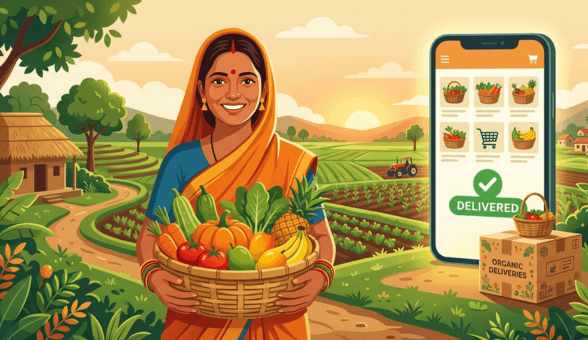
Farming in India has always been built on hard work, seasonal rhythms, and local relationships. But the market has been shifting. Buyers are now looking for fresh produce, organic grains, and direct-from-farm items through their phones, not just from the local mandi. For farmers and agri-entrepreneurs who have been watching this shift from the sidelines, this is the right time to step into the online space.
Selling farm produce online in India is not just about setting up a website. It involves understanding your buyer, building trust around freshness and quality, handling logistics for perishable goods, and pricing your products in a way that is fair to you and attractive to customers. This guide walks through all of that in a practical, step-by-step way.
Why Farmers and Agri Sellers Are Moving Online
The traditional supply chain between farm and consumer is long. Produce passes through a series of middlemen before reaching the buyer, and each step cuts into the farmer’s earnings. Selling directly online changes this completely. You reach the buyer without intermediaries, and the buyer gets fresher produce at a price that can still be competitive because you are removing those extra margin layers.
India’s online grocery and fresh produce market has been growing at a sharp pace. According to Statista, the online grocery segment in India is projected to cross $26 billion by 2027. A significant portion of this demand is for fresh, traceable, and directly sourced produce. Independent sellers who can communicate authenticity and freshness have a real advantage in this market.
What You Can Sell Online as an Agri Seller
The range of products that work well in online agri commerce is wider than most sellers assume. Products that do particularly well include:
- Fresh vegetables and seasonal produce: Sold in weekly subscription boxes or as one-time orders
- Organic and natural grains and pulses: Long shelf life, easy to ship, high buyer trust
- Cold-pressed oils and traditional food products: Coconut oil, groundnut oil, sesame oil
- Dry fruits, spices, and condiments: High margin, low spoilage risk
- Honey, jaggery, and naturally processed sweeteners
- Microgreens, herbs, and specialty farm items for urban buyers
Perishable items like fresh vegetables need more care around packaging and delivery timelines, but they also generate repeat purchases. Non-perishable items like grains, pulses, and spices are easier to manage and often more profitable per order.
Setting Up Your Online Store for Farm Produce
You have two broad options: list your products on a marketplace like Amazon, Flipkart Grocery, or a regional platform, or build your own branded online store. Marketplaces give you immediate traffic but charge commission on every order and give you little control over your buyer relationship. Building your own store on a platform like Boomimart gives you complete ownership over your storefront, pricing, and customer data.
What Your Store Needs to Sell Farm Produce
| Store Feature | Why It Matters for Agri Sellers |
| Product photos with natural background | Builds trust about freshness and origin |
| Weight and quantity variants | Buyers want 500g, 1kg, or 5kg options |
| Delivery area pincode filter | Fresh produce has limited delivery range |
| Subscription or repeat order option | Vegetables sell better as weekly orders |
| COD and UPI payment options | Covers rural and urban buyer preferences |
Start your agri store today
How to Price Your Farm Products Online
Pricing is where many agri sellers undervalue themselves. The cost calculation for online selling is different from mandi pricing. You need to account for packaging material, delivery charges, platform fees if applicable, and the cost of returns or spoilage.
A simple pricing framework: add your production or procurement cost, your packaging cost, an estimated delivery contribution, and a margin of at least 25 to 35 percent. If you are positioning your product as organic, traditionally grown, or region-specific, you can command a premium. Urban buyers in Tier 1 cities consistently pay more for produce that comes with a clear story about origin, farming method, and freshness.
Do not try to compete on price alone against large aggregators. You will lose that battle. Instead, compete on story, quality, and consistency.
Packaging Farm Produce for Online Delivery
Packaging is your first impression after the buyer receives the order. For fresh produce, this is critical because spoilage during transit leads to refund requests and negative reviews. A few practical guidelines:
- Use mesh bags or perforated plastic for items that need airflow like leafy vegetables
- Layer corrugated boxes with shredded paper or bubble wrap for fragile items like tomatoes or mangoes
- For dry items like grains and pulses, use food-grade zipper pouches with your branding printed or stickered on
- Include a small card inside every order with a thank-you message and information about your farm or growing practice
That last point is often overlooked but genuinely increases repeat purchases. A buyer who feels a personal connection to the seller comes back.
Logistics and Delivery for Agricultural Products
Logistics is the part that intimidates most agri sellers who are new to online selling. The reality is more manageable than it looks once you set it up correctly.
| Delivery Type | Best For | Example Partners |
| Hyperlocal delivery | Fresh vegetables, dairy, eggs | Dunzo, local courier services |
| Next-day courier | Dry goods, packaged items | Delhivery, Shiprocket, XpressBees |
| Cold chain logistics | Meat, dairy, frozen produce | Ecom Express Cold, FreshPlus |
For sellers starting out, the simplest approach is to define a delivery zone based on your location and use a local delivery partner or self-delivery for fresh produce, and a national courier for non-perishable items. As your order volume grows, you can expand the delivery zone and partner with aggregators like Shiprocket to access multiple courier options from a single dashboard.
Building Trust With Your Online Farm Buyers
Trust is the single most important factor in agri e-commerce. Buyers cannot physically inspect produce before buying, so everything on your store needs to communicate quality and reliability. Here is what builds trust effectively:
- High-quality product photos taken in natural light, showing the actual produce you are selling
- Clear product descriptions that mention farming method, origin location, and approximate harvest date
- A visible WhatsApp number or chat option so buyers can ask questions before ordering
- Honest return or freshness guarantee policy displayed clearly on your store
- Buyer reviews and testimonials, especially from returning customers
If you have organic certifications such as PGS-India or any FSSAI registration, display them prominently. These signal legitimacy to urban buyers who are buying produce online for the first time. The FSSAI website has detailed guidance on what licences and registrations are required based on the type of food products you sell and your business size.
Start your agri store today
Marketing Your Farm Products to Online Buyers
You do not need a large marketing budget to get your first batch of orders. The most effective channels for agri sellers are also the most direct.
Start with WhatsApp. Create a broadcast list of people who already know your produce, family, neighbours, existing customers from local markets. Send a message announcing your online store with a link and a photo of what you are currently selling. This direct circle is your warmest audience and where most agri stores get their first ten to twenty orders.
Instagram and Facebook work well for produce with a visual story. A reel showing your harvest, your fields, or your sorting and packing process generates genuine interest from urban buyers who are curious about where their food comes from. Keep the content simple, real, and consistent rather than polished.
For search-based discovery, focus on writing descriptive product names and descriptions that include terms people actually search for, such as ‘organic A2 cow ghee from Karnataka’ or ‘single estate Coorg coffee beans.’ This organic search traffic compounds over time without ongoing ad spend.
The Indian agri-commerce space is still early enough that a seller with a genuine product, honest communication, and consistent delivery can build a loyal buyer base without competing on price or outspending anyone. The sellers who do well are not the ones with the fanciest stores. They are the ones who show up consistently, treat every order like it matters, and let the quality of their produce do the talking.