Building a Simple Affiliate Program for Your D2C Brand

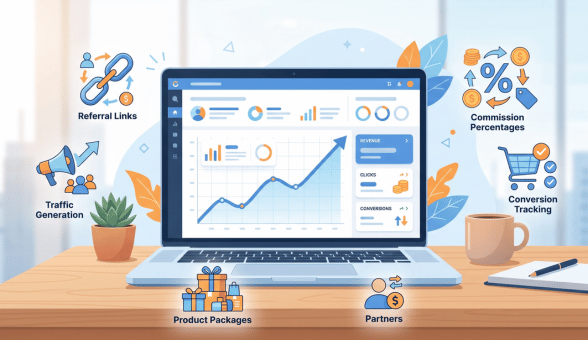
Most D2C founders assume an affiliate program needs a dedicated platform, a legal team, and a marketing budget before it makes sense to start. In practice, a working affiliate program can be running within a couple of weeks using tools most brands already have, and it remains one of the more cost efficient acquisition channels because you only pay for results, not exposure. The version worth building first is a simple one, not the elaborate multi-tier system that gets pitched by affiliate software vendors.
Why Affiliate Marketing Fits D2C Brands Well
Unlike paid ads, where spend happens regardless of outcome, affiliate marketing ties cost directly to a completed sale. For a brand still refining its margins, that structure removes a lot of the guesswork around acquisition spend. It also plugs into existing relationships, customers who already like the product, micro influencers in your category, or bloggers writing product roundups, all of whom can promote without needing to be hired as a formal marketing partner.
Step One: Decide the Commission Structure
The single decision that shapes everything else is whether commissions are a flat percentage of sale value or a fixed amount per order. Percentage based commissions scale naturally with average order value and are easier to explain to affiliates, while flat commissions give more predictable margin control, which matters if your product line has widely varying price points. Most D2C brands starting out do well with a straightforward percentage commission in the 10 to 20 percent range, adjusted based on category margins.
| Commission Type | Best For | Trade-off |
| Percentage of Sale | Brands with consistent margins across products | Payouts vary with order value, harder to forecast |
| Flat Fee Per Order | Brands with wide price range or thin margins on some SKUs | Less attractive for affiliates promoting high value items |
| Tiered by Volume | Established programs with proven affiliates | Adds complexity, best introduced after the flat model works |
Step Two: Set Up Tracking Without Overbuilding
Tracking is where most first time affiliate programs stall, because founders assume they need a dedicated affiliate management platform from day one. A simpler starting point is unique discount codes tied to each affiliate, which double as both a tracking mechanism and an incentive for the affiliate’s audience. This approach works well up to a few dozen affiliates before the manual reconciliation becomes a real time cost, at which point a lightweight affiliate tracking tool becomes worth the subscription.
- Start with unique discount codes per affiliate rather than a full tracking platform
- Set a clear, written commission rate and payout schedule before recruiting your first affiliate
- Cap the free trial or evaluation period for new affiliates so underperforming partnerships do not linger indefinitely
- Keep a simple spreadsheet log of affiliate sales until volume genuinely requires automated tracking
Step Three: Recruit From Your Existing Circle First
The fastest affiliates to onboard are people who already know and use your product, not cold outreach to influencers with large but unfamiliar audiences. Repeat customers, small category-relevant content creators, and even employees with a personal following are often more effective early affiliates than a high follower count influencer with no real connection to the brand. Recruiting from your existing circle also means less time spent explaining what the brand does, which speeds up the time to first affiliate sale.
Step Four: Give Affiliates the Assets They Need
A common reason affiliate programs underperform is not a weak commission rate but a lack of ready to use promotional material. Product photos, a short brand description, and a few pre-written captions reduce the friction for an affiliate to actually post, especially for smaller creators who may not have the time to shoot new content themselves. Keeping this kit simple and updated is a small effort that noticeably improves how quickly new affiliates start driving sales.
Get a Free Storefront Demo
When to Add Complexity
Once a program has a handful of consistently performing affiliates, it is worth introducing tiered commissions that reward higher volume, along with a proper affiliate tracking tool if the spreadsheet approach starts breaking down. Resources like Shopify’s guide on affiliate marketing basics are a useful reference for scaling structure once the simple version is proven to work. For most D2C founders though, the version described above is enough to validate whether affiliate marketing is a channel worth investing further into before committing to a bigger platform spend.
If you are setting this up on your own storefront, check your existing pricing and plan structure to confirm your margins can comfortably support the commission rate you settle on before recruiting affiliates.