Wishlist and Save-for-Later Features: Do They Actually Drive Sales

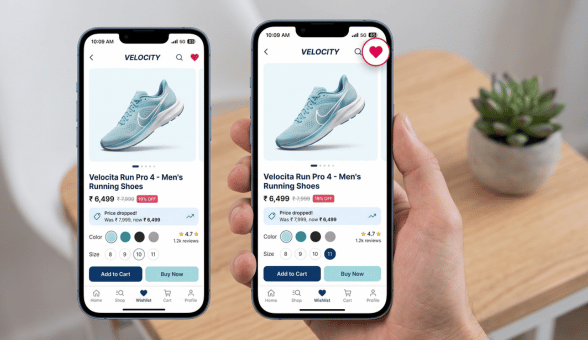
Wishlist and save-for-later buttons have become a default fixture on ecommerce product pages, added almost automatically during store setup without much thought to whether they actually move the needle on sales. The honest answer is that they can genuinely help, but only when paired with a follow-up strategy, on their own they are closer to a passive convenience feature than a revenue driver.
Why Shoppers Use a Wishlist in the First Place
Shoppers save items for a mix of reasons: price hesitation, waiting for payday, comparing across multiple sites before deciding, or simply browsing without immediate purchase intent. Understanding which of these applies to your typical customer matters, because the follow-up strategy that converts a price-sensitive wishlist item is different from one that converts a simple forgetfulness case.
Where the Real Value Comes From
The wishlist button itself rarely drives a sale directly. The value comes from what happens after an item sits in a wishlist unpurchased: a well-timed reminder email, a low-stock alert, or a price-drop notification that brings the shopper back at exactly the moment their hesitation resolves. Stores that treat the wishlist purely as a static list, with no automated follow-up, tend to see the feature used but rarely converted.
Feature Impact Comparison
| Wishlist Setup | Typical Conversion Impact | Effort to Implement |
| Static wishlist, no follow-up | Minimal, mostly a convenience feature | Low |
| Wishlist plus reminder emails | Moderate lift on abandoned saves | Medium |
| Wishlist plus price-drop and stock alerts | Highest, catches hesitation directly | Medium to high |
See wishlist automations live
Building Follow-Up That Actually Converts
A basic three-touch sequence works well for most D2C stores: a reminder email a few days after an item is saved, a second nudge if the item’s price drops or stock runs low, and a final low-pressure reminder before a relevant sale event. Keeping these automated rather than manual is what makes the wishlist feature scale past a handful of customers.
Measuring Whether It Is Working
- Wishlist-to-purchase conversion rate, the percentage of saved items that eventually convert to a sale
- Average time between save and purchase, which tells you how long your follow-up window should run
- Revenue attributed specifically to wishlist reminder emails versus general marketing sends
If your store’s wishlist feature is not tied to any of these metrics currently, that is usually the first fix, since features left unmeasured tend to stay unmeasured indefinitely rather than getting the follow-up automation that actually makes them pay off. Boomimart’s store setup and platform features page covers how wishlist tracking connects to the broader CRM and marketing automation stack for merchants weighing whether the feature is worth investing more into.