Influencer Marketing for Small D2C Brands: A Budget-Friendly Starting Point


Influencer marketing used to feel like a game only large brands with agency budgets could play. That has changed. Small D2C brands across India are now running their own influencer programs on a few thousand rupees a month, and many are seeing better returns than they ever got from paid ads. The shift is being driven by the rise of nano and micro creators, people with modest but highly engaged followings who charge a fraction of what a celebrity or macro influencer would ask for.
If you run a small online store and have been putting off influencer marketing because you assumed it needed a big budget, this guide walks through how to start small, spend wisely, and build a repeatable system without draining your marketing funds.
Why Small D2C Brands Are Turning to Influencer Marketing
Traditional paid advertising has become expensive and less predictable, with rising costs per click across Meta and Google. Influencer partnerships offer a different path. According to Influencer Marketing Hub’s 2026 research, brands working with micro influencers are seeing stronger returns per rupee spent compared to larger creator tiers, largely because smaller creators tend to have audiences that trust their recommendations. For a small D2C brand, that trust translates into fewer wasted impressions and more people who actually convert into buyers.
Micro and nano creators also tend to be more open to flexible arrangements such as product exchanges, small flat fees, or affiliate commissions, which makes them far more accessible for sellers who are just getting started.
There is also a content angle that many first time brands overlook. A single influencer collaboration does not just deliver a post to their audience, it produces a piece of content you can legally reuse, provided you have agreed on usage rights upfront. That single video or photo shoot can end up on your product pages, your own social channels, and even in paid ad creative, stretching one modest payment across several marketing touchpoints for months.
Setting a Realistic Budget for Influencer Campaigns
You do not need lakhs of rupees to start. Most small brands find success by starting with a modest test budget, working with a handful of creators, and reinvesting in what performs. Here is a rough breakdown of what different influencer tiers typically cost in India right now.
| Influencer Tier | Typical Follower Range | Approx Cost Per Post |
| Nano creators | 1,000 to 10,000 | Free product or Rs 500 to Rs 2,000 |
| Micro creators | 10,000 to 100,000 | Rs 2,000 to Rs 15,000 |
| Macro creators | 100,000 and above | Rs 15,000 and upward |
A first campaign built around five to ten nano and micro creators can often be run for less than the cost of a single day of paid social ads, while producing content you can reuse across your product pages and social channels for months.
Set aside a small buffer on top of your creator fees for shipping products to influencers, minor production costs if you want higher quality footage, and a modest boost budget to promote the best performing posts once they go live. Brands that skip the boost step often leave easy reach on the table, since even a small ad spend behind a strong performing creator post tends to extend its life well beyond the organic window.
Finding the Right Micro and Nano Influencers for Your Niche
The biggest mistake small brands make is chasing follower count instead of relevance. A creator with 8,000 followers who genuinely uses products like yours will usually outperform someone with ten times the audience but no real connection to your category. Look for creators who already talk about your niche, check their comment sections for real engagement rather than generic emojis, and reach out with a short, specific pitch rather than a mass template message.
Once you shortlist a few names, it helps to have a place where interested creators and customers can learn more about what you sell and how your store works. Brands running their storefront on Boomimart can point creators to their live store or to a quick walkthrough of the platform to make onboarding faster.
A short vetting step also protects your budget. Look at how a creator’s engagement is spread across recent posts rather than judging from one viral outlier, and check whether their comment section shows real conversation or the same generic phrases repeated across every post, which is often a sign of purchased engagement. Reaching out to a handful of their past brand partners for a quick reference is common practice now and takes only a few minutes.
Disclosure matters too. Indian consumer protection guidelines require influencers to clearly label paid partnerships, so build this into your brief from the start rather than leaving it to the creator to decide. It keeps your brand on the right side of advertising standards and, in practice, does not reduce engagement the way many first time brands fear it will.
Structuring Your First Campaign
Keep your first campaign simple. Pick one clear goal, whether that is driving sign ups, showcasing a new product line, or building a library of user generated content you can reuse later. Shopify’s guide to working with micro influencers recommends building a bench of reliable creators over time rather than chasing one off viral moments, which tends to produce steadier results for smaller brands with limited budgets.
Different content formats work better for different goals. The table below breaks down where each format tends to perform best for a small D2C seller.
| Content Format | Best Use | Platform |
| Unboxing reels | New product launches | Instagram, YouTube Shorts |
| Honest review videos | Building trust with new buyers | Instagram, TikTok |
| Static carousel posts | Highlighting offers or bundles |
Measuring What Matters Beyond Vanity Metrics
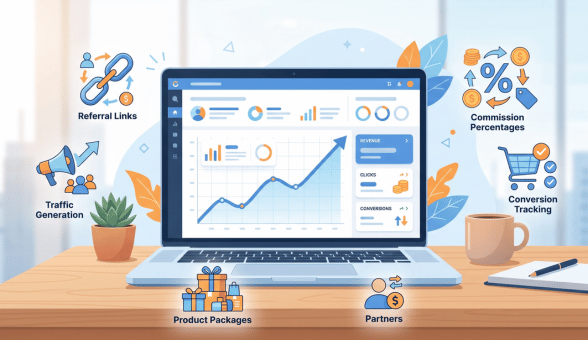
Likes and views feel good but rarely pay the bills. Track metrics that connect directly to revenue instead, such as unique discount code redemptions, click throughs to your product pages, and repeat purchases from customers who first found you through a creator. If you are running your store through a platform with built in analytics, cross reference influencer generated traffic with your actual order data rather than relying on the creator’s own reported numbers.
Set a simple rule before every campaign. Decide what cost per acquisition would make the partnership worthwhile, then only renew with creators who help you hit or beat that number.
A unique discount code per creator remains one of the simplest ways to track performance without needing complex attribution software. It tells you exactly which partnerships are driving actual purchases, and it gives your customers a reason to act quickly rather than bookmarking the post for later and forgetting about it.
Building a Repeatable Program Instead of One Off Campaigns
The brands that get the most out of influencer marketing over time treat it as an ongoing relationship rather than a single campaign. Once you find two or three creators whose content consistently drives sales, consider moving them onto a retainer or an ongoing affiliate arrangement instead of renegotiating a new deal every month. This reduces the time you spend on outreach and often earns you better rates, since creators value the predictability of a recurring partnership as much as the fee itself.
Keep a simple spreadsheet tracking every creator you have worked with, what they charged, what content they produced, and how it performed. Over three or four campaigns, this record becomes a genuinely useful tool for deciding where to put your next rupee, rather than starting the search from scratch each time.
Common Mistakes to Avoid When Starting Out
Many small brands fail with their first attempt because they treat influencer marketing as a one time transaction instead of a relationship. Paying for a single post and moving on rarely builds the kind of trust that turns a creator’s audience into your customers. It also helps to put a simple agreement in writing, even for small deals, covering what content is expected, when it will be posted, and whether you can reuse it in your own marketing.
Another common misstep is briefing creators too tightly. Handing over a script and demanding it be read word for word usually produces content that feels like an ad, which is exactly what an engaged audience tends to scroll past. Share your key product points and let the creator frame it in their own voice. The slightly less polished result almost always performs better than an overly scripted one.
A demo of your storefront and a clear pricing page make it easier for creators to understand what they are promoting before they agree to a partnership, which tends to result in more authentic content and fewer back and forth clarifications.
Small D2C brands that treat influencer marketing as a long term, budget conscious habit rather than a one off campaign tend to build the kind of loyal customer base that keeps buying long after the first post goes live. Start with a handful of creators, track what actually drives sales, and scale only the partnerships that prove their worth.